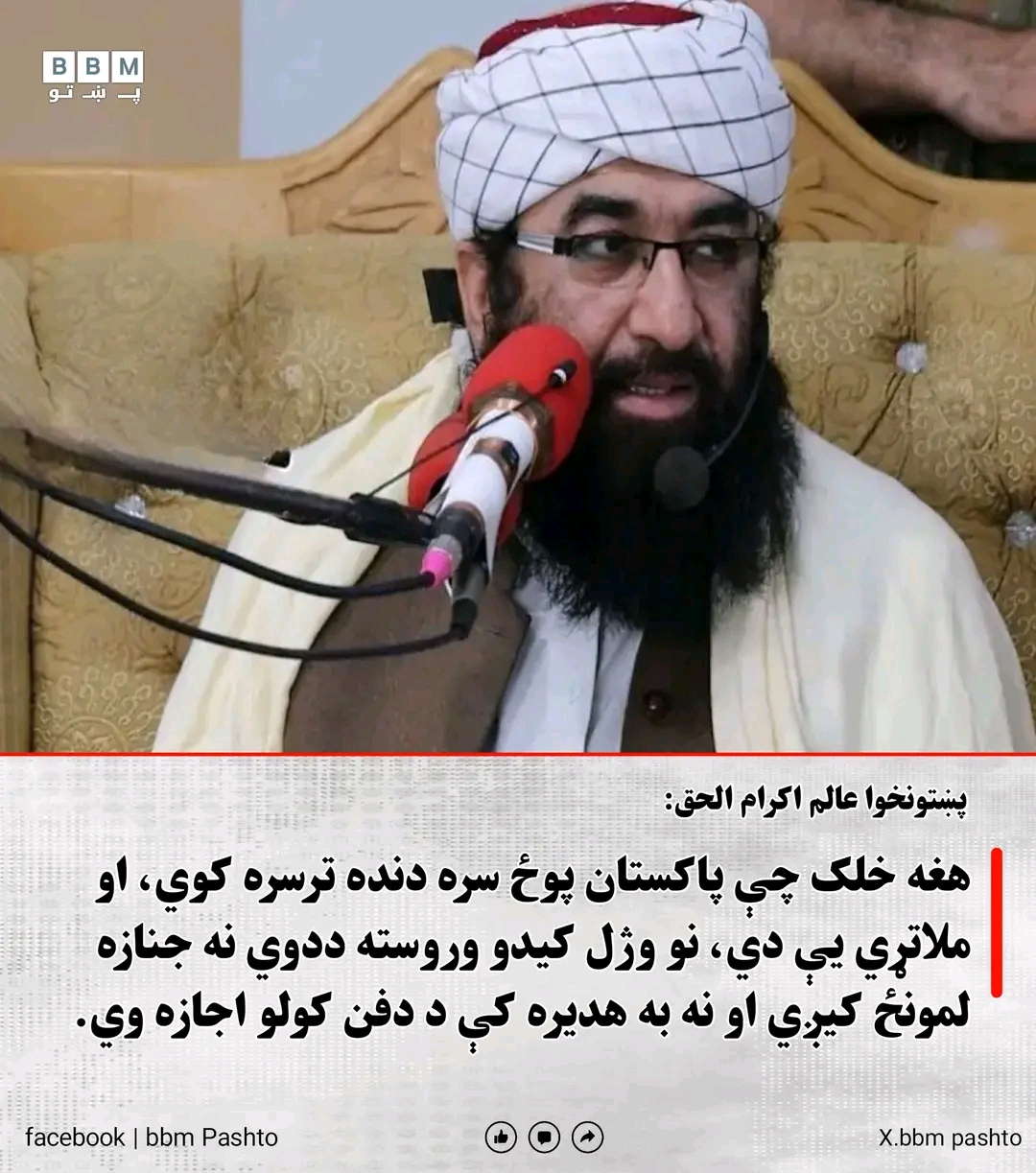
PESHAWAR – A group of influential religious clerics of Khyber Pakhtunkhwa has issued a joint declaration, saying that those who openly support the Pakistan Army and die during the same support, their funeral prayers will not be offered and they will not be allowed to be buried in local graveyards. The decision has sparked intense debate in the region and questions are being raised over its social, political and religious implications.
According to the joint statement, which was issued after an emergency meeting, the clerics stressed that their decision was taken in light of the demands of the local population and the ground realities. The policy will apply equally to mosques, madrassas and religious centres in all affected districts.
The announcement added that the clerics believe the move reflects the feelings of the community who feel affected or neglected by the recent military operations and security policies. Although the statement did not mention any specific incident, observers say the decision appears to be the result of growing tensions between communities and state institutions in some areas of the province.
According to local analysts, relations between some residents of tribal and rural areas and the Pakistani military have been strained for years, due to military operations, checkpoints and evictions. The cleric’s latest announcement could potentially widen that gulf, although public reaction is mixed at the moment.
Despite the sensitivity of the issue, the clerics made it clear that their aim was not to spread unrest but to project a collective position that was formed on the basis of community considerations. He said that the implementation of this decision will be mandatory for all local religious institutions.
So far, there has been no official response from the Pakistani government or military. A senior government or military official did not specify whether the decision was in conflict with the country’s laws or religious principles. Political observers say the response from the state could be cautious, as the situation in the area is already critical.
Legal experts are of the opinion that while local clerical councils can express their religious views, the final authority on religious matters such as funerals and burials in Pakistan rests with the national religious bodies and settled jurisprudence. It is currently unclear whether the top religious leadership will issue any guidance or decision on the announcement.
Human rights observers warn that such policies could further divide communities, and affect families who are accused of supporting the military. Some experts fear that measures such as collective punishment or social boycotts could further escalate tensions in areas that have already undergone conflict.
Despite these concerns, supporters of the decision describe it as a form of peaceful protest – showing strong disapproval against state actions but without any violence. According to him, communities have the right to express their position through their religious leaders.
As the situation progresses, people are waiting for the official stance of the Pakistani government, which will determine whether this religious decision will gain widespread acceptance or face official opposition. Until then, the announcement is considered a significant and symbolic development in the ongoing tensions between local communities and state institutions.
Further reactions from political, military and national religious circles are expected soon.